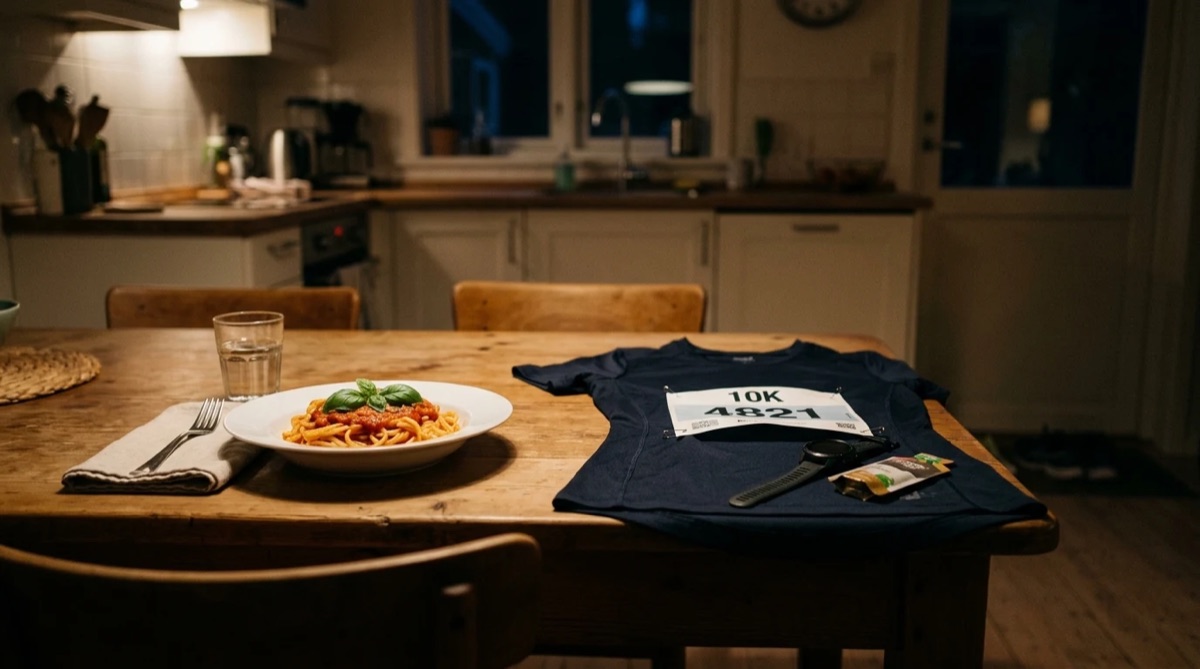
What to Eat the Night Before a 5K or 10K (Hint: Not a Kilo of Pasta)
For a 5K or 10K, carb loading does nothing. What matters: a normal, familiar dinner and a well timed breakfast. The rules and three meal ideas.
The night before "pasta party" has become a race ritual. For a marathon, it makes sense (and it isn't even enough). For a 5K or a 10K, it's pointless, and an oversized dinner can even weigh on you at the start line.
Why no carb loading?
Your muscles store enough glycogen to comfortably fuel an hour of hard effort. A review by Hawley and colleagues (Hawley et al., 1997) says it plainly: topping up the tank further brings no benefit for an effort of 60 to 90 minutes. Carb loading only helps beyond 90 minutes, and you can read what it really takes here.
What matters for a 5K or a 10K isn't having more fuel. It's getting to the start with nothing in your stomach that bothers you, and with your normal tank full.
Four rules for the night before dinner
- Normal, with carbs. Your usual plate: a starch, a protein, a cooked vegetable. Not double portions.
- Familiar. Nothing you've never eaten before a workout. The spicy restaurant can wait until after the race.
- Not too late. Eat at least 3 hours before bed so you sleep well.
- Light on fiber and fat. White bread rather than whole grain, not much raw veg, nothing fried, no cream sauce.
Alcohol, even one glass, hurts sleep quality. Skip it the night before.
Three dinner ideas
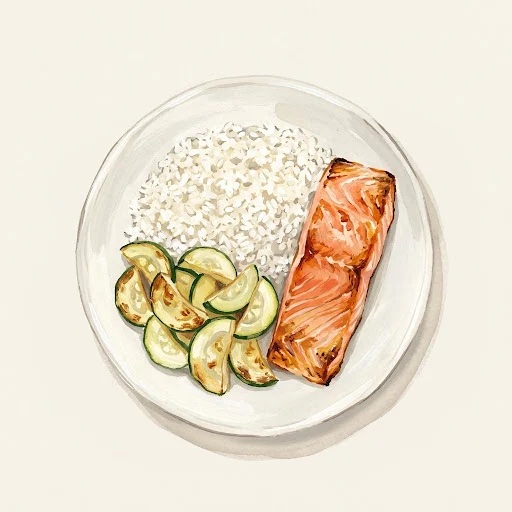
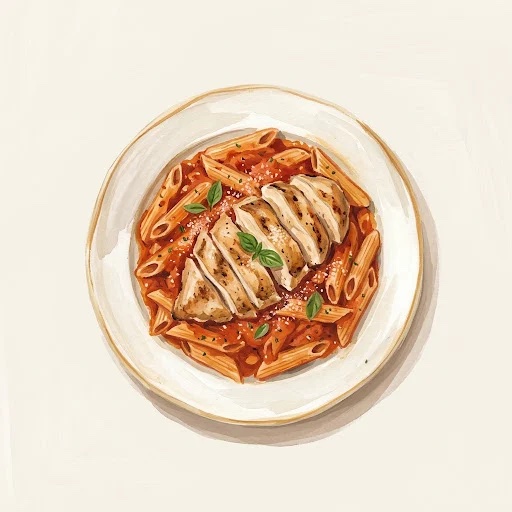
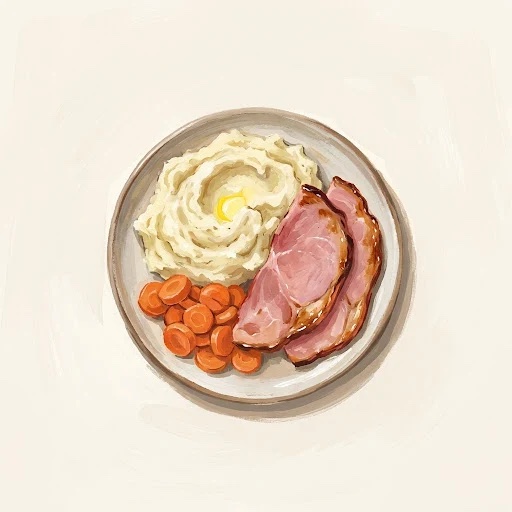
And the two days before?
Eat as usual. Your plan is lighter this week, so you don't need to compensate or cut back. This isn't the time to start a diet to "be lighter": a half empty tank will cost you more than the 500 g you lose.
Race morning
For a 9 am start, a breakfast you know 2 to 3 hours before. The rules and ideas are in our article on race day breakfast. During the race, nothing to eat: over 5 or 10 km, a few sips of water if you're thirsty is enough.
Summary
- No carb loading for a 5K or 10K: no benefit under 90 minutes (Hawley et al., 1997).
- A normal dinner, familiar, with carbs, low in fiber and fat.
- No alcohol, nothing new.
- A breakfast you know, 2 to 3 hours before the start.
AI running coach
Ready to run with a coach who gets you?
ISAA analyzes your data and coaches you at your own pace, without judgment.
Free · No commitment